

Vein Treatments
Radiofrequency Ablation at VIP Medical Group
Radiofrequency ablation (RFA) is a minimally invasive option for adults with a leaking main leg vein that causes varicose veins or chronic venous insufficiency.
VIP vein doctors use controlled heat through a thin catheter to close the faulty vein from the inside, so blood can shift to healthier veins. It is done in-office or at an ambulatory surgery center, without general anesthesia.
What is Radiofrequency Ablation and How Does It Work?
Radiofrequency ablation (RFA) is a minimally invasive treatment that uses gentle heat to close leaking leg veins, without general anesthesia.
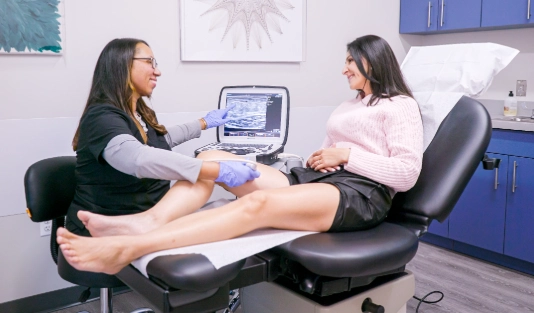
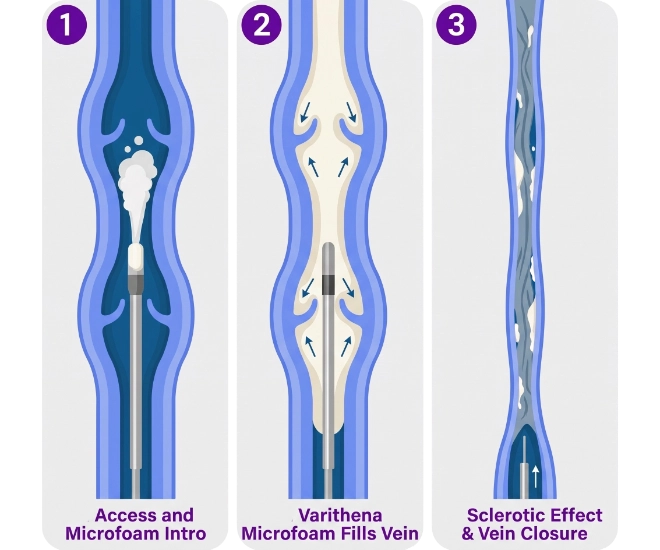
Guided by ultrasound, a VIP vein doctor numbs a small entry point, usually near the knee or lower leg, and guides a thin catheter into the vein. Numbing fluid goes around the vein to protect nearby tissue. As the catheter is slowly pulled back, it warms the vein wall until the vein seals shut. Blood then moves through healthier veins, and over time the body absorbs the treated vein.

Effectiveness


Safety

Lasting effects

Procedure time
30-60 min
Fast
Recovery
Minimal
Downtime
When VIP Recommends Radiofrequency Ablation in the Care Plan
RFA may fit when you have symptoms such as aching, heaviness, swelling, cramping or bulging varicose veins, and testing shows reflux in a main vein such as the great or small saphenous vein. Appearance alone is not enough. Many VIP plans treat the leaking source vein first, then address the branch veins it feeds with sclerotherapy or other option if they are still needed.
Your VIP vein doctor will choose the best option among the available treatments based on your veins, history, goals and coverage.
Benefits
- Minimally invasive closure of a leaking main leg vein
- Done through a small entry point
- In office or at an ambulatory surgery center, without general anesthesia
- Most patients return to normal activities quickly
- May ease aching, heaviness, swelling and cramping
Considerations and Recovery
- Compression stockings and daily walking are usually advised after treatment
- Avoid heavy exercise until your doctor clears you
- Tightness, bruising or a cord-like feeling along the vein is common and fades over time
- Branch veins may need additional treatment; results may vary
- Not for everyone, for example during pregnancy or with an active blood clot
- Common side effects can include bruising, tenderness and skin numbness near the treated vein. Rarely, a blood clot can occur, which is why follow-up is part of care. Contact your VIP clinic promptly about leg pain, swelling or other urgent symptoms.
Radiofrequency Ablation FAQs
What does radiofrequency ablation treat?
RFA treats varicose veins and chronic venous insufficiency caused by leaking valves in a main leg vein. Closing that vein can help with aching, heaviness and swelling linked to these problems.
Does radiofrequency ablation hurt?
The skin and the area around the vein are numbed, so no general anesthesia is used. Most people feel brief stings from the numbing and pressure during the procedure. Afterward, tightness or bruising along the vein is common and eases with walking.
How soon can I get back to my routine after RFA?
Most patients return to normal activities quickly. Walking is encouraged, and your doctor will tell you when to resume heavier exercise and how long to wear compression stockings.
Is radiofrequency ablation covered by insurance?
Coverage depends on your plan and on whether treatment is medically necessary. Some plans need prior authorization. VIP checks your benefits before you begin.
Am I a candidate for radiofrequency ablation?
You may be a candidate if a main leg vein with leaking valves causes symptoms such as aching, swelling or visible varicose veins. Vein size and shape and your overall health matter. Your VIP vein doctor confirms whether RFA fits after your evaluation.
Important Safety Information
At VIP Medical Group, RFA is used only when it fits your evaluation and medical history. Tell your vein doctor about pregnancy, a past blood clot or blood-thinning medicines before treatment.
Possible complications include bruising, skin numbness, skin color changes, infection and, rarely, blood clots. Seek care for leg pain, swelling, chest symptoms or trouble breathing. Discuss risks and benefits with your VIP vein doctor before treatment. This summary supports shared decision-making and does not replace your consultation.
Clinical review by Dr. Billy Schoenfeld, MD, VIP vein doctor. Content last reviewed in November 2026.
Let our doctors customize your treatment plan
Finding relief is as simple as filling this quick form below: