


Explore pain conditions
At Pain Treatment Specialists, we only focus on the latest pain procedures that cause minimal pain or discomfort, either during or after treatment.
Select the condition you want to explore

Back pain

Spine pain

Hip pain

Leg pain
Knee pain

Neck pain

Shoulder pain

Joint pain
Back Pain

Causes
Back pain is one of the most common reasons people seek medical attention. It can develop from muscle strain, disc problems, or degenerative changes in the spine. The pain may be localized to the lower back (lumbar), mid-back (thoracic), or upper back, and can range from a dull, constant ache to a sudden, sharp sensation that limits movement.
Risk factors include but are not limited to:
- Older age
- Sedentary lifestyle or prolonged sitting
- Obesity or excess body weight
- Poor posture or improper lifting technique
- Previous back injury or spinal surger
- Occupations requiring repetitive bending, twisting, or heavy lifting
- Smoking (reduces blood flow to spinal tissues)
Symptoms
These include but are not limited to:
- Persistent aching or stiffness along the spine
- Sharp, localized pain in the lower back, especially after lifting or bending
- Muscle spasms or tightness in the back
- Pain that radiates from the lower back to the buttocks, legs, or feet (sciatica)
- Difficulty standing upright or walking for extended periods
- Numbness or tingling in the legs
- Pain that worsens after prolonged sitting or standing
- Reduced range of motion in the back
- Minimally invasive
- Cutting edge
- Zero downtime
Back pain treatments
Select the treatment you want to check

Lumbar Epidural
Steroid Injection

Lumbar Medial
Branch Block

Lumbar Radiofrequency
Ablation

Sacroiliac
Joint Injection

Kyphoplasty
Lumbar Epidural Steroid Injection
A steroid is injected into the epidural space of the lumbar spine to reduce inflammation around compressed or irritated nerves. This treatment is highly effective for disc herniations, spinal stenosis, and sciatica originating in the lower back.

Efectiveness


Safety

Reviews

Procedure time
30-60 min
Recovery
Fast
Downtime
Zero

Likelihood of Insurance Coverage
HIGH
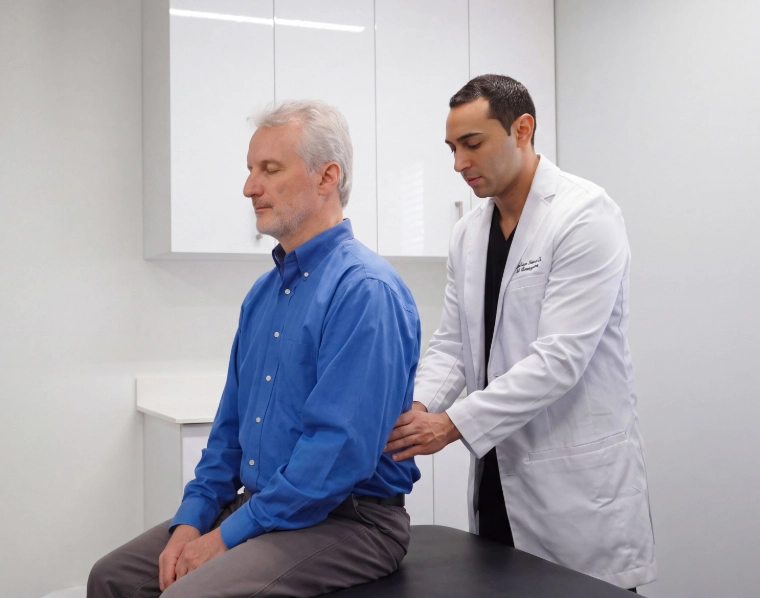
How Lumbar Epidural Steroid Injection Works
The lumbar epidural space lies inside the spinal canal, outside the protective membrane around the spinal nerves. In most adults, the spinal cord ends near the upper lumbar spine, while the cauda equina nerve roots continue through the lower lumbar canal. A herniated disc or narrowed spinal canal can irritate or compress these nerve roots and contribute to inflammation and radiating pain. The injection delivers a corticosteroid directly into that space, suppressing the inflammation at its source. As swelling decreases, pressure on the nerves is relieved and pain signals diminish. A local anesthetic is included for immediate comfort while the steroid takes effect over the following days.
What Happens During Lumbar Epidural Steroid Injection Sessions
The procedure is performed in an outpatient setting, and patients are commonly awake. Your care team explains each step, positions you carefully, and uses local anesthetic to numb the skin. Additional comfort measures may be used when clinically appropriate. Using fluoroscopic (live X-ray) guidance, a thin needle is directed precisely into the epidural space. Contrast dye confirms correct placement before the medication is delivered. The procedure takes 30 to 60 minutes, and most patients experience only mild pressure during the injection. You can return home the same day and resume most daily activities within 24 hours.
FAQs
Will I feel anything during the injection?
A local anesthetic numbs the area before the procedure, so most patients feel only mild pressure. The procedure is well tolerated.
How quickly will I notice relief?
The anesthetic provides same-day comfort, while the steroid's full anti-inflammatory effect typically builds within 3 to 7 days.
How long does relief last after this injection?
Most patients experience meaningful relief for several weeks to a few months. The procedure can be repeated as needed as part of your ongoing pain management plan.
To explore Lumbar Epidural Steroid Injection as an option for your back pain, consult with a board-certified pain specialist. At Pain Treatment Specialists, our Harvard-trained doctors are experienced in Lumbar Epidural Steroid Injection and will develop a personalized plan based on your specific needs.
Lumbar Medial Branch Block
A local anesthetic is injected near the medial branch nerves that supply sensation to the lumbar facet joints. This procedure is both diagnostic and therapeutic, confirming whether the facet joints are the source of your back pain while providing immediate relief.
Efectiveness
Safety
Reviews
Procedure time
15-30 min
Recovery
Fast
Downtime
Zero
Likelihood of Insurance Coverage
HIGH
How Lumbar Medial Branch Block Works
The medial branch nerves are small nerves that carry pain signals from the facet joints in your lumbar spine to the brain. By injecting anesthetic near these nerves, their ability to transmit pain is temporarily interrupted. The amount and duration of relief after the block can help your physician assess whether the facet joints contribute to the pain and whether radiofrequency ablation may be appropriate. The decision also depends on the clinical evaluation, response threshold, number of diagnostic blocks, and payer requirements.
What Happens During Lumbar Medial Branch Block Sessions
The procedure takes place in an outpatient setting. Your doctor uses fluoroscopic (live X-ray) guidance to identify the exact position of the medial branch nerves along the lumbar spine. After numbing the skin, a thin needle is advanced to the target location and anesthetic is injected. The procedure is typically completed in 15 to 30 minutes and involves minimal discomfort. Pain relief is usually felt within minutes. You can walk out of the office and return to normal activities the same day.
FAQs
Is this just a diagnostic test, or will I actually feel better?
Both. The block provides real, immediate pain relief while also confirming which nerves are responsible for your back pain.
What happens if my pain comes back after the block wears off?
Your physician will review how much relief you experienced and how long it lasted. That response, together with the clinical evaluation and payer requirements, helps determine whether radiofrequency ablation may be appropriate.
How soon can I return to normal activities?
Most patients resume normal activities the same day. Many patients resume light activities the same day, but restrictions vary. Follow your clinician's instructions about driving, work, exercise, and other activities.
To explore Lumbar Medial Branch Block as an option for your back pain, consult with a board-certified pain specialist. At Pain Treatment Specialists, our Harvard-trained doctors are experienced in Lumbar Medial Branch Block and will develop a personalized plan based on your specific needs.
Lumbar Radiofrequency Ablation (RFA)
Heat generated by radio waves is used to disable the medial branch nerves sending pain signals from the lumbar facet joints. This provides long-lasting relief of 6 to 12 months or more, making it one of the most durable non-surgical treatments for chronic lower back pain.
Efectiveness
Safety
Reviews
Procedure time
30-60 min
Recovery
Fast
Downtime
Zero
Likelihood of Insurance Coverage
HIGH
How Lumbar Radiofrequency Ablation Works
Once a medial branch block has confirmed the lumbar facet joints as your pain source, RFA delivers targeted radiofrequency energy through a small electrode placed near those same nerves. The controlled heat creates a precise lesion that disrupts the nerve's ability to transmit pain signals. Motor nerves are not affected. With the pain pathway interrupted, relief sets in and can persist for six months to over a year. If pain returns, the procedure can be safely repeated.
What Happens During Lumbar Radiofrequency Ablation Sessions
The procedure is performed in an outpatient setting with local anesthesia and mild sedation for comfort. Your doctor uses fluoroscopic guidance to position a thin electrode needle precisely next to the targeted nerves. Sensory and motor testing confirms correct placement before the radiofrequency energy is applied. You may feel a brief warmth or tingling sensation during treatment. The full procedure takes 30 to 60 minutes depending on the number of nerves treated. Most patients return to their normal routine within one to two days.
FAQs
How long does relief last after lumbar RFA?
Most patients experience relief for 6 to 12 months. If pain returns, the procedure can be safely repeated.
Is the procedure painful?
Local anesthesia and light sedation keep you comfortable throughout. Most patients report only mild warmth during the procedure.
Will I be able to move normally afterward?
Yes. RFA targets only pain-transmitting nerves and does not affect motor function or mobility.
To explore Lumbar Radiofrequency Ablation as an option for your back pain, consult with a board-certified pain specialist. At Pain Treatment Specialists, our Harvard-trained doctors are experienced in Lumbar Radiofrequency Ablation and will develop a personalized plan based on your specific needs.
Sacroiliac Joint Injection
A steroid and anesthetic are injected directly into the sacroiliac (SI) joint under fluoroscopic guidance. This treatment addresses pain originating from the SI joint, which connects the sacrum to the pelvis and is a common but often overlooked source of lower back and buttock pain.
Efectiveness
Safety
Reviews
Procedure time
15-30 min
Recovery
Fast
Downtime
Zero
Likelihood of Insurance Coverage
HIGH
How Sacroiliac Joint Injection Works
The sacroiliac joints bear a significant portion of upper body weight and are subject to strain, inflammation, and arthritis. When inflamed, SI joint pain can mimic lumbar disc pain or sciatica, making it difficult to identify without targeted testing. The injection delivers corticosteroid and anesthetic directly into the joint capsule under fluoroscopic guidance. The anti-inflammatory medication reduces joint swelling and irritation while the anesthetic provides immediate relief. The diagnostic component is equally important: if your pain resolves after the injection, it confirms the SI joint as the source.
What Happens During Sacroiliac Joint Injection Sessions
You lie face down on a procedure table while your doctor cleans the skin over the injection site. Fluoroscopic (live X-ray) imaging is used to precisely target the SI joint. After a local anesthetic numbs the area, a thin needle is guided into the joint and the medication is injected. The procedure is typically completed in 15 to 30 minutes. Most patients feel relief quickly and can resume light activity the same day with Many patients resume light activities the same day, but restrictions vary. Follow your clinician's instructions about driving, work, exercise, and other activities.
FAQs
How do I know if my SI joint is causing my pain?
The injection serves as both a treatment and a diagnostic test. If your pain resolves after the injection, it confirms the SI joint as the source.
Will I feel anything during the injection?
A local anesthetic is applied first, so most patients feel only mild pressure. The procedure takes just 15 to 30 minutes.
How soon can I return to normal activities?
Most patients resume light activities the same day. Many patients resume light activities the same day, but restrictions vary. Follow your clinician's instructions about driving, work, exercise, and other activities.
To explore Sacroiliac Joint Injection as an option for your back pain, consult with a board-certified pain specialist. At Pain Treatment Specialists, our Harvard-trained doctors are experienced in Sacroiliac Joint Injection and will develop a personalized plan based on your specific needs.
Kyphoplasty
Kyphoplasty is a minimally invasive procedure that stabilizes vertebral compression fractures using bone cement. It provides rapid pain relief and restores vertebral height for patients suffering from spinal fractures caused by osteoporosis, cancer-related bone weakness, or trauma.
Efectiveness
Safety
Reviews
Procedure time
45-60 min
Recovery
Fast
Downtime
Zero
Likelihood of Insurance Coverage
HIGH
How Kyphoplasty Works
Vertebral compression fractures occur when weakened bone collapses under the weight of the body, causing sudden, severe back pain and height loss. Kyphoplasty addresses this by inserting a small balloon-like device into the fractured vertebra and inflating it to create a cavity and partially restore the vertebra's original height. The balloon is then removed and the cavity is filled with medical-grade bone cement, which hardens quickly to stabilize the fracture. This mechanical stabilization eliminates the micromotion causing pain and reinforces the vertebra against further collapse.
What Happens During Kyphoplasty Sessions
The procedure is performed under local or general anesthesia in an outpatient or hospital setting. Using fluoroscopic guidance, your doctor makes a small incision and inserts a narrow tube into the fractured vertebra. A balloon is inflated to create space, then removed before bone cement is injected to fill the cavity. The cement hardens within minutes. The procedure takes approximately 45 to 60 minutes. Most patients experience significant pain relief within 24 to 48 hours and can resume light activities within a few days.
FAQs
How quickly will I feel better after kyphoplasty?
Most patients notice significant pain relief within 24 to 48 hours of the procedure.
Is kyphoplasty a major surgery?
No. It is a minimally invasive outpatient procedure performed through a small incision with a short recovery time.
Will the treated vertebra stay stable?
Yes. The bone cement hardens within minutes and permanently stabilizes the fracture, reducing the risk of further collapse.
To explore Kyphoplasty as an option for your back pain, consult with a board-certified pain specialist. At Pain Treatment Specialists, our Harvard-trained doctors are experienced in Kyphoplasty and will develop a personalized plan based on your specific needs.
Spine Pain

Causes
Spine pain can originate from any region of the spinal column —cervical (neck), thoracic (mid-back), or lumbar (lower back)— and is often related to structural changes, disc problems, or nerve compression. The spine is a complex structure of bones, discs, ligaments, and nerves, and damage or degeneration in any of these components can result in persistent pain.
Risk factors include but are not limited to:
- Degenerative disc disease or age-related spinal changes
- Herniated or bulging discs
- Spinal stenosis (narrowing of the spinal canal)
- Osteoarthritis of the spine
- Previous spinal surgery or trauma
- Poor posture, especially from prolonged desk work
- Obesity, which increases load on the spine
Symptoms
These include but are not limited to:
- Persistent pain along any region of the spine
- Stiffness that limits range of motion
- Radiating pain into the arms or legs depending on the affected spinal level
- Numbness or tingling in the extremities
- Muscle weakness in the arms or legs
- Pain that worsens with certain movements (bending, twisting, lifting)
- Difficulty sitting or standing for extended periods
- Burning or electric-shock sensations along the nerve path
- Minimally invasive
- Cutting edge
- Zero downtime
Spine pain treatments
Select the treatment you want to check

Epidural Steroid
Injection

Facet Joint
Injection

Medial Branch
Block
Radiofrequency
Ablation (RFA)

Spinal Cord
Stimulation
Epidural Steroid Injection
A steroid is injected into the epidural space surrounding the spinal nerves to reduce inflammation caused by herniated discs, spinal stenosis, or degenerative disc disease. Effective at any level of the spine —cervical, thoracic, or lumbar.
Efectiveness
Safety
Reviews
Procedure time
30-60 min
Recovery
Fast
Downtime
Zero
Likelihood of Insurance Coverage
HIGH

How Epidural Steroid Injection Works
The epidural space runs along the full length of the spinal cord. When spinal structures compress or irritate the nerve roots, inflammation develops in this space and intensifies pain signals. Injecting corticosteroid into this area suppresses the inflammatory response directly, reducing nerve irritation and restoring normal pain signaling. A local anesthetic provides immediate relief while the steroid's full effect builds over several days. The injection can be targeted to the specific spinal level causing symptoms.
What Happens During Epidural Steroid Injection Sessions
You remain awake and comfortable in an outpatient setting. After cleaning the injection site and numbing the skin with a local anesthetic, your doctor uses fluoroscopic (live X-ray) guidance to direct a thin needle to the precise location in the epidural space. Contrast dye confirms correct placement before the medication is delivered. The procedure takes 30 to 60 minutes. You can expect to go home the same day and resume most normal activities within 24 hours.
FAQs
Can this injection treat pain in different parts of my spine?
Yes. The injection can be precisely targeted to the cervical, thoracic, or lumbar region depending on where your symptoms originate.
Will I feel anything during the injection?
A local anesthetic numbs the area before the procedure, so most patients feel only mild pressure.
How soon can I return to normal activities?
Most patients go home the same day and resume normal activities within 24 hours.
To explore Epidural Steroid Injection as an option for your spine pain, consult with a board-certified pain specialist. At Pain Treatment Specialists, our Harvard-trained doctors are experienced in Epidural Steroid Injection and will develop a personalized plan based on your specific needs.
Facet Joint Injection
An anesthetic and steroid are injected directly into a facet joint or the tissue surrounding it. This procedure relieves pain from arthritic or inflamed facet joints and helps identify the exact source of spine pain, making it both a treatment and a diagnostic tool.
Efectiveness
Safety
Reviews
Procedure time
15-30 min
Recovery
Fast
Downtime
Zero
Likelihood of Insurance Coverage
HIGH
How Facet Joint Injection Works
Facet joints connect the vertebrae of the spine and allow for smooth bending and rotation. When these joints become arthritic or inflamed, they generate localized pain that may radiate into the back, buttocks, or limbs. Injecting anesthetic and corticosteroid directly into the affected joint numbs the pain immediately while the steroid reduces ongoing inflammation. If the injection significantly relieves your pain, it confirms the facet joint as the source and opens the door to longer-lasting treatments such as radiofrequency ablation.
What Happens During Facet Joint Injection Sessions
Your doctor uses fluoroscopic (live X-ray) guidance to visualize the facet joint and direct a thin needle to the precise target. After positioning the needle, medication is injected. The procedure typically takes 15 to 30 minutes and causes only mild pressure. You can return to normal activity the same day with no recovery period required.
FAQs
Is this just a diagnostic test, or will I feel real relief?
It provides both. The injection delivers real pain relief and helps confirm whether the facet joints are responsible for your spine pain.
How long does relief last after a facet joint injection?
The anesthetic provides immediate relief and the steroid effect can last several weeks to months.
How soon can I return to normal activities?
You can resume normal activity the same day. Many patients resume light activities the same day, but restrictions vary. Follow your clinician's instructions about driving, work, exercise, and other activities.
To explore Facet Joint Injection as an option for your spine pain, consult with a board-certified pain specialist. At Pain Treatment Specialists, our Harvard-trained doctors are experienced in Facet Joint Injection and will develop a personalized plan based on your specific needs.
Medial Branch Block
A local anesthetic is injected near the small medial branch nerves that carry pain signals from the facet joints. This targeted block confirms whether the facet joints are responsible for your spine pain and provides immediate, meaningful relief.
Efectiveness
Safety
Reviews
Procedure time
15-30 min
Recovery
Fast
Downtime
Zero
Likelihood of Insurance Coverage
HIGH
How Medial Branch Block Works
Each facet joint in the spine is supplied by two medial branch nerves that relay pain signals to the brain. By temporarily numbing these nerves with anesthetic, the pain pathway from the joint is interrupted. The amount and duration of relief can help determine whether radiofrequency ablation may be appropriate. The number of diagnostic blocks and required response threshold vary based on the clinical situation and payer policy. RFA interrupts pain-signal transmission for an extended period, but nerves can regenerate and pain can return.
What Happens During Medial Branch Block Sessions
In an outpatient setting, your doctor uses fluoroscopic guidance to locate the medial branch nerves at the appropriate spinal levels. After numbing the skin, a thin needle is advanced to the target nerve and anesthetic is injected. The procedure takes 15 to 30 minutes with minimal discomfort. Pain relief is typically felt within minutes. Driving and activity guidance depends on your response and whether sedation was used. Arrange transportation if instructed and follow your care team's discharge guidance.
FAQs
Is this the same as radiofrequency ablation?
No. The medial branch block uses anesthetic to temporarily relieve pain and confirm which nerves are involved, while RFA provides longer-lasting results by disabling those nerves.
What happens after a successful block?
Your physician reviews the percentage and duration of relief, clinical findings, and payer requirements to decide whether radiofrequency ablation may be appropriate.
How soon can I return to normal activities?
Many patients resume light activities the same day, but restrictions vary. Follow your clinician's instructions about driving, work, exercise, and other activities.
To explore Medial Branch Block as an option for your spine pain, consult with a board-certified pain specialist. At Pain Treatment Specialists, our Harvard-trained doctors are experienced in Medial Branch Block and will develop a personalized plan based on your specific needs.
Radiofrequency Ablation (RFA)
Controlled heat delivered by radio waves disables the medial branch nerves transmitting pain from arthritic facet joints. Results commonly last 6 to 12 months or longer, making RFA one of the most durable non-surgical solutions for chronic spine pain.
Efectiveness
Safety
Reviews
Procedure time
30-60 min
Recovery
Fast
Downtime
Zero
Likelihood of Insurance Coverage
HIGH
How Radiofrequency Ablation Works
After a medial branch block has confirmed the facet joints as the pain source, RFA delivers radiofrequency energy through a small electrode positioned next to the targeted nerves. The controlled heat creates a precise lesion that disrupts the nerve's ability to send pain signals without affecting surrounding tissues or motor function. The result is long-lasting relief that can persist well beyond a year. The procedure can be repeated safely if pain gradually returns as nerves regenerate.
What Happens During Radiofrequency Ablation Sessions
You remain awake with local anesthesia and light sedation in an outpatient setting. Fluoroscopic guidance is used to position a thin electrode needle adjacent to the targeted nerves. Sensory and motor testing confirms precise placement, then radiofrequency energy is applied. You may feel mild warmth during the treatment. The procedure takes 30 to 60 minutes and most patients return to their normal routine within one to two days.
FAQs
How long does relief last after spinal RFA?
Most patients experience relief for 6 to 12 months. If pain returns, the procedure can be safely repeated.
Will RFA affect my ability to move my spine?
No. RFA targets only the sensory nerves transmitting pain and does not affect motor function or mobility.
How soon can I return to normal activities?
Most patients return to their normal routine within one to two days.
To explore Radiofrequency Ablation as an option for your spine pain, consult with a board-certified pain specialist. At Pain Treatment Specialists, our Harvard-trained doctors are experienced in Radiofrequency Ablation and will develop a personalized plan based on your specific needs.
Spinal Cord Stimulation
A small device implanted near the spinal cord delivers mild electrical pulses that interrupt pain signals before they reach the brain. Reserved for chronic spine pain that has not responded to other treatments, this therapy offers a trial period before any permanent commitment.
Efectiveness
Safety
Reviews
Procedure time
60-90 min
Recovery
Fast
Downtime
Zero
Likelihood of Insurance Coverage
HIGH
How Spinal Cord Stimulation Works
Spinal cord stimulation works by modulating pain signals in the dorsal column of the spinal cord. Thin leads containing small electrodes are placed in the epidural space near the spinal cord and connected to a small pulse generator implanted under the skin. The device delivers low-level electrical impulses that interfere with pain signals traveling to the brain, replacing them with a mild, often barely noticeable sensation. Patients typically try a temporary trial system for 5 to 7 days to confirm effectiveness before proceeding with permanent implantation.
What Happens During Spinal Cord Stimulation Sessions
The trial procedure involves placing temporary leads in the epidural space under local anesthesia. If the trial relieves at least 50 percent of your pain, you proceed to permanent implantation. The permanent procedure places the leads and a small pulse generator under the skin, typically in the flank or buttock area. The generator is programmable and the patient can adjust stimulation intensity. Recovery from permanent implantation is approximately two to four weeks, after which you can resume normal activities with long-term pain relief.
FAQs
How do I know if spinal cord stimulation will work for me?
A trial period lets you experience the therapy for 5 to 7 days before any permanent commitment. Most patients who proceed after a successful trial report meaningful, lasting relief.
Will the device be noticeable?
The pulse generator is small and placed beneath the skin. Most patients quickly adjust to it and find it easy to ignore during daily activities.
Can I adjust the stimulation on my own?
Yes. The device is fully programmable and you can adjust the stimulation level throughout the day to match your activity and comfort.
To explore Spinal Cord Stimulation as an option for your spine pain, consult with a board-certified pain specialist. At Pain Treatment Specialists, our Harvard-trained doctors are experienced in Spinal Cord Stimulation and will develop a personalized plan based on your specific needs.
Hip Pain

Causes
Hip pain is a common condition that can affect people of all ages and activity levels. The hip joint is one of the body's largest weight-bearing joints, and pain can originate from the joint itself, the surrounding muscles, tendons, ligaments, or nearby nerves. Common causes include osteoarthritis, bursitis, tendinitis, labral tears, and referred pain from the lower back.
Risk factors include but are not limited to:
- Older age and natural joint degeneration
- Osteoarthritis or rheumatoid arthritis
- Previous hip injury or fracture
- Repetitive stress from sports or physical labor
- Obesity, which increases load on the joint
- Structural abnormalities (hip impingement, dysplasia)
- Sedentary lifestyle leading to muscle weakness
Symptoms
These include but are not limited to:
- Pain in the groin, outer hip, thigh, or buttock area
- Stiffness that limits range of motion in the hip
- Pain that worsens when walking, climbing stairs, or rising from a seated position
- Limping or difficulty bearing weight on the affected side
- Grinding or clicking sensation in the hip during movement
- Swelling or tenderness around the hip joint
- Pain that disturbs sleep, especially when lying on the affected side
- Minimally invasive
- Cutting edge
- Zero downtime
Hip pain treatments
Select the treatment you want to check

Hip Joint Injection

Greater Trochanteric
Bursa Injection
Hip Radiofrequency
Ablation (RFA)
Hip Joint Injection
A corticosteroid and anesthetic are injected directly into the hip joint under ultrasound or fluoroscopic guidance. This treatment reduces inflammation and provides meaningful pain relief for osteoarthritis, labral irritation, and other hip joint conditions.
Efectiveness
Safety
Reviews
Procedure time
15-30 min
Recovery
Fast
Downtime
Zero
Likelihood of Insurance Coverage
HIGH

How Hip Joint Injection Works
The hip is a deep ball-and-socket joint that can develop significant inflammation from arthritis, cartilage damage, or repetitive stress. Injecting corticosteroid directly into the joint capsule suppresses that inflammatory response at its source. This reduces swelling, decreases pressure on sensitive nerve endings within the joint, and alleviates pain. The local anesthetic provides immediate comfort while the steroid builds its full anti-inflammatory effect over several days. Imaging guidance ensures the medication reaches exactly the right location deep within the joint.
What Happens During Hip Joint Injection Sessions
You lie on your back or side on a procedure table while your doctor uses ultrasound or fluoroscopic guidance to visualize the hip joint. After cleaning the skin and numbing the entry point, a thin needle is guided into the joint capsule and the medication is injected. The procedure takes 15 to 30 minutes and is well tolerated. You can stand and walk immediately afterward and resume normal activities the same day.
FAQs
Will I feel anything during the injection?
A local anesthetic is applied first, so most patients feel only mild pressure during the procedure.
How soon can I resume normal activity?
You can stand and walk immediately after and resume normal activities the same day.
How long does relief from a hip joint injection typically last?
Many patients experience meaningful relief for several weeks to months after a hip joint injection
To explore Hip Joint Injection as an option for your hip pain, consult with a board-certified pain specialist. At Pain Treatment Specialists, our Harvard-trained doctors are experienced in Hip Joint Injection and will develop a personalized plan based on your specific needs.
Greater Trochanteric Bursa Injection
A steroid injection targets the trochanteric bursa, a fluid-filled sac on the outer side of the hip that frequently becomes inflamed and is a leading cause of lateral hip pain. This treatment reduces bursal inflammation rapidly and effectively.
Efectiveness
Safety
Reviews
Procedure time
15-30 min
Recovery
Fast
Downtime
Zero
Likelihood of Insurance Coverage
HIGH
How Greater Trochanteric Bursa Injection Works
The greater trochanteric bursa cushions the bony prominence on the outer hip (greater trochanter) from friction with overlying tendons. When this bursa becomes irritated —from repetitive motion, a fall, or prolonged walking— it swells and produces sharp lateral hip pain that may radiate down the outer thigh. Injecting corticosteroid directly into the bursa quiets the inflammatory process, reduces swelling, and relieves the pressure and friction causing pain. Relief can be felt within days and often lasts for several months.
What Happens During Greater Trochanteric Bursa Injection Sessions
You lie on your side with the affected hip facing up. Your doctor locates the trochanteric bursa using anatomical landmarks or ultrasound guidance, then cleans and numbs the skin. A needle is inserted into the bursa and the corticosteroid is injected. The procedure takes 15 to 30 minutes and involves minimal discomfort. Many patients resume light activities the same day, but restrictions vary. Follow your clinician's instructions about driving, work, exercise, and other activities.
FAQs
Does trochanteric bursitis require surgery?
Not at all. A targeted bursa injection is highly effective at relieving lateral hip pain and can provide lasting results without any surgical procedure.
Will I feel anything during the injection?
A local anesthetic is applied first. Most patients feel only mild pressure and notice relief within a day or two.
How soon can I return to normal activities?
There is no recovery period required. You can resume your normal activities immediately after the injection.
To explore Greater Trochanteric Bursa Injection as an option for your hip pain, consult with a board-certified pain specialist. At Pain Treatment Specialists, our Harvard-trained doctors are experienced in Greater Trochanteric Bursa Injection and will develop a personalized plan based on your specific needs.
Hip Radiofrequency Ablation
A heat-based procedure that disables the sensory nerves supplying the hip joint. By interrupting the pain pathway at the nerve level, this treatment provides long-lasting relief for patients with chronic hip pain who have responded well to hip nerve blocks.
Efectiveness
Safety
Reviews
Procedure time
30-60 min
Recovery
Fast
Downtime
Zero
Likelihood of Insurance Coverage
HIGH
How Hip Radiofrequency Ablation Works
The sensory nerves that supply the hip joint —including the articular branches of the femoral and obturator nerves— transmit pain signals to the brain. Radiofrequency ablation uses precisely targeted heat to create a lesion on these nerves, disrupting their ability to send pain signals without affecting motor function or surrounding tissue. This provides relief that typically lasts 6 to 12 months or longer. Patients who first receive a diagnostic hip nerve block and experience significant relief are the best candidates for this procedure.
What Happens During Hip Radiofrequency Ablation Sessions
The procedure is performed in an outpatient setting under local anesthesia and light sedation. Using fluoroscopic or ultrasound guidance, your doctor positions electrode needles adjacent to the sensory nerves of the hip. After confirming correct placement with nerve testing, radiofrequency energy is applied to each nerve. You may notice a mild warmth during treatment. The full procedure takes 30 to 60 minutes and most patients return to their normal routine within one to two days.
FAQs
How long does relief last after hip RFA?
Most patients experience relief for 6 to 12 months. If pain returns as nerves regenerate, the procedure can be safely repeated.
Will hip RFA affect my ability to walk?
No. The procedure targets only sensory nerves carrying pain signals and does not affect the motor nerves responsible for movement.
How soon can I return to normal activities?
Most patients resume their normal routine within one to two days after the procedure.
To explore Lumbar Epidural Steroid Injection as an option for your back pain, consult with a board-certified pain specialist. At Pain Treatment Specialists, our Harvard-trained doctors are experienced in Lumbar Epidural Steroid Injection and will develop a personalized plan based on your specific needs.
Leg Pain

Causes
Leg pain can originate from problems in the muscles, bones, joints, nerves, or blood vessels of the leg. In many cases, leg pain is related to spinal conditions —such as herniated discs or spinal stenosis— that compress nerves traveling to the legs (sciatica). Other common causes include peripheral neuropathy, joint arthritis, and muscle strain.
Risk factors include but are not limited to:
- Herniated disc or spinal stenosis causing nerve compression
- Peripheral neuropathy (nerve damage, often from diabetes)
- Osteoarthritis in the knee or hip
- Prolonged standing or repetitive stress
- Obesity, which increases strain on legs and joints
- History of leg fractures or injuries
- Vascular insufficiency or circulatory problems
Symptoms
These include but are not limited to:
- Shooting or burning pain down the leg (sciatica)
- Numbness or tingling in the thigh, calf, or foot
- Muscle weakness or heaviness in one or both legs
- Cramping or aching in the calves, especially with walking
- Sharp pain behind the knee or in the thigh
- Difficulty walking or standing due to pain
- Swelling in the leg or ankle
- Pain that worsens at night or with prolonged activity
- Minimally invasive
- Cutting edge
- Zero downtime
Leg pain treatments
Select the treatment you want to check
Epidural Steroid
Injection

Neurostimulation
Radiofrequency
Ablation (RFA)

Nerve Block
Epidural Steroid Injection
A steroid delivered into the epidural space targets inflammation around the spinal nerves that radiate pain down into the legs. This is one of the most effective treatments for sciatica and nerve-related leg pain originating in the lumbar spine.
Efectiveness
Safety
Reviews
Procedure time
30-60 min
Recovery
Fast
Downtime
Zero
Likelihood of Insurance Coverage
HIGH

How Epidural Steroid Injection Works
When lumbar nerve roots are compressed or irritated, the resulting inflammation sends pain signals traveling down the sciatic nerve into the buttocks, thigh, calf, and foot. An epidural steroid injection places corticosteroid directly into the epidural space at the level where the nerve is inflamed. This reduces swelling around the nerve root, quiets the inflammatory response, and significantly decreases the intensity of radiating leg pain. A local anesthetic provides additional immediate relief while the steroid takes full effect.
What Happens During Epidural Steroid Injection Sessions
You remain awake and comfortable throughout the outpatient procedure. Your doctor uses fluoroscopic (live X-ray) guidance to direct a thin needle to the precise location in the lumbar epidural space. Contrast dye confirms proper placement before the medication is injected. The procedure takes 30 to 60 minutes and most patients experience only mild pressure. You can go home the same day and resume most normal activities within 24 hours.
FAQs
Can an injection in my back help pain in my leg?
Yes. When leg pain originates from a compressed spinal nerve, treating the inflammation at its source in the epidural space can significantly reduce radiating leg pain.
Will I feel anything during the injection?
A local anesthetic numbs the area first, so most patients feel only mild pressure during the procedure.
How soon can I return to normal activities?
Most patients go home the same day and resume normal activities within 24 hours.
To explore Epidural Steroid Injection as an option for your leg pain, consult with a board-certified pain specialist. At Pain Treatment Specialists, our Harvard-trained doctors are experienced in Epidural Steroid Injection and will develop a personalized plan based on your specific needs.
Neurostimulation
A cutting-edge treatment that uses targeted electrical impulses to modulate nerve activity and reduce chronic leg pain. Thin leads are placed near the affected nerves and connected to a small device that disrupts pain signals before they reach the brain. Minimally invasive with significant, lasting relief.
Efectiveness
Safety
Reviews
Procedure time
60-90 min
Recovery
Fast
Downtime
Zero
Likelihood of Insurance Coverage
HIGH
How Neurostimulation Works
Neurostimulation —also known as peripheral nerve stimulation or spinal cord stimulation for leg pain— works by delivering low-level electrical pulses that interfere with pain signals in the nerve pathways serving the legs. The electrical impulses compete with and override pain signals, preventing them from registering in the brain as pain. This approach is especially valuable for patients with neuropathic leg pain, complex regional pain syndrome, or chronic sciatic pain that has not responded adequately to injections or medication. A trial period allows patients to evaluate the level of relief before committing to permanent implantation.
What Happens During Neurostimulation Sessions
The trial phase involves placing thin electrode leads near the targeted nerves under local anesthesia in an outpatient setting. A small external device delivers the electrical stimulation for 5 to 7 days while you go about your daily life and track your pain levels. If the trial relieves at least 50 percent of your pain, a small permanent pulse generator is implanted. The permanent device is programmable, allowing you to adjust stimulation to match your activity and comfort level throughout the day.
FAQs
Is the trial system noticeable or limiting?
The temporary trial device is small and external, allowing you to go about your daily activities while evaluating the therapy for 5 to 7 days.
What if the trial does not help enough?
If the trial does not provide sufficient relief, the leads are simply removed and we explore other treatment options. The trial is designed to ensure the therapy works for you before any permanent step.
How long does the permanent device last?
Most implanted devices have a battery life of several years. Rechargeable models can last even longer and are available depending on your needs.
To explore Neurostimulation as an option for your leg pain, consult with a board-certified pain specialist. At Pain Treatment Specialists, our Harvard-trained doctors are experienced in Neurostimulation and will develop a personalized plan based on your specific needs.
Radiofrequency Ablation (RFA)
Radiofrequency energy disables the nerves transmitting chronic pain from the lower extremities. This provides long-lasting relief for leg pain that has been confirmed to originate from identifiable nerve pathways, with results typically lasting 6 to 12 months or longer.
Efectiveness
Safety
Reviews
Procedure time
30-60 min
Recovery
Fast
Downtime
Zero
Likelihood of Insurance Coverage
HIGH
How Radiofrequency Ablation Works
Once a diagnostic nerve block has identified the specific nerves responsible for your leg pain, RFA uses precisely applied heat to create a lesion on those nerves that disrupts their ability to transmit pain signals. The procedure targets only sensory nerves, leaving motor function intact. For patients with chronic leg pain related to facet joint-mediated nerve irritation or identifiable peripheral nerve involvement, RFA can provide relief that significantly outlasts the temporary results of injections alone.
What Happens During Radiofrequency Ablation Sessions
The procedure is performed in an outpatient setting with local anesthesia and light sedation. Your doctor uses fluoroscopic guidance to position electrode needles precisely at the target nerves. After confirming placement with sensory and motor testing, radiofrequency energy is applied. You may feel mild warmth during the treatment. The procedure takes 30 to 60 minutes and most patients resume normal activities within one to two days.
FAQs
How long does relief last after RFA for leg pain?
Most patients experience relief for 6 to 12 months. If pain returns, the procedure can be safely repeated.
Will the procedure affect my ability to walk or move my legs?
No. RFA targets only sensory nerves and does not affect motor function.
How soon can I return to normal activities?
Most patients resume normal activities within one to two days.
To explore Radiofrequency Ablation as an option for your leg pain, consult with a board-certified pain specialist. At Pain Treatment Specialists, our Harvard-trained doctors are experienced in Radiofrequency Ablation and will develop a personalized plan based on your specific needs.
Nerve Block
A local anesthetic is injected near the specific nerves causing leg pain to interrupt pain signals. This provides immediate relief and serves as an important diagnostic tool to confirm the exact nerve involved, which may help your physician assess whether radiofrequency ablation is appropriate.
Efectiveness
Safety
Reviews
Procedure time
15-30 min
Recovery
Fast
Downtime
Zero
Likelihood of Insurance Coverage
HIGH
How Nerve Block Works
A nerve block delivers anesthetic —and sometimes corticosteroid— directly adjacent to the nerve responsible for your leg pain. The anesthetic temporarily prevents the nerve from transmitting pain signals, providing rapid relief. The diagnostic value is equally important: if the block substantially reduces your pain, it confirms which nerve is involved and helps your doctor create the most effective long-term treatment plan. For many patients, a positive nerve block response is the first step toward radiofrequency ablation for lasting relief.
What Happens During Nerve Block Sessions
Your doctor uses ultrasound or fluoroscopic guidance to precisely locate the target nerve. After cleaning and numbing the skin, a thin needle is advanced to the nerve and medication is injected. The procedure takes 15 to 30 minutes and causes minimal discomfort. The anesthetic takes effect within minutes, providing rapid pain relief. Many patients resume light activities the same day, but restrictions vary. Follow your clinician's instructions about driving, work, exercise, and other activities.
FAQs
Is a nerve block painful?
A local anesthetic numbs the skin before the procedure, so most patients feel only mild pressure. Relief is typically felt within minutes.
Does the nerve block provide permanent relief?
The block provides temporary relief while helping confirm the source of your pain. A positive response is often the first step toward radiofrequency ablation for longer-lasting results.
How soon can I return to normal activities?
Many patients resume light activities the same day, but restrictions vary. Follow your clinician's instructions about driving, work, exercise, and other activities. No recovery period is needed.
To explore Nerve Block as an option for your leg pain, consult with a board-certified pain specialist. At Pain Treatment Specialists, our Harvard-trained doctors are experienced in Nerve Block and will develop a personalized plan based on your specific needs.
Knee Pain

Causes
Knee pain is a common ailment that affects people of all ages. It can originate from any of the bony structures that make up the knee —the patella (kneecap), the femur (thighbone), the tibia, or the fibula— or from the cartilage, ligaments, and tendons that support the joint. The most common form of chronic knee pain is due to osteoarthritis, where the cartilage that cushions the bones gradually wears away.
Risk factors include but are not limited to:
- Older age and natural cartilage degeneration
- Previous joint injury, surgery, or fracture
- Overweight or obesity
- Genetics and family history of arthritis
- Occupations that place repetitive stress on the knees
- High-impact sports or activities
- Joint malformation or a genetic defect in joint cartilage
Symptoms
These include but are not limited to:
- Redness, warmth, and swelling around the knee
- Limping due to discomfort
- Difficulty walking due to instability of the knee
- Difficulty walking up or down steps due to ligament or cartilage damage
- Inability to fully extend or bend the knee (locking)
- Stiffness, especially after sitting or first thing in the morning
- Shifting of weight to the opposite leg to avoid pain
- Grinding, popping, or clicking sensation during movement
- Minimally invasive
- Cutting edge
- Zero downtime
Knee pain treatments
Select the treatment you want to check

Genicular
Nerve Block

Knee Steroid
Injection

Hyaluronic Acid
Knee Injection
Radiofrequency
Ablation (RFA)

PRP Therapy
Genicular Nerve Block
A local anesthetic is injected near the genicular nerves that supply sensation to the knee joint. This blocks pain signals from reaching the brain and provides rapid relief for chronic knee pain, while also confirming whether radiofrequency ablation of those nerves would deliver longer-lasting results.
Efectiveness
Safety
Reviews
Procedure time
15-30 min
Recovery
Fast
Downtime
Zero
Likelihood of Insurance Coverage
HIGH
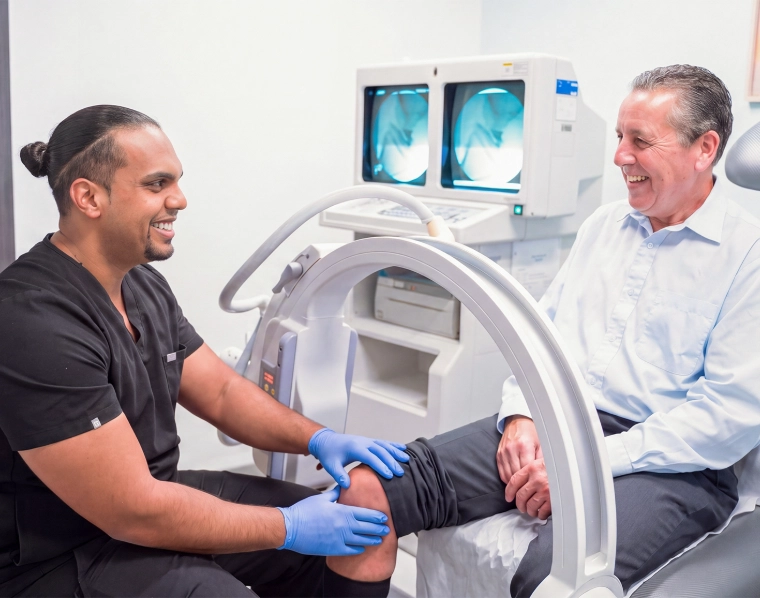
How Genicular Nerve Block Works
The genicular nerves (superior medial, superior lateral, and inferior medial) are the primary sensory nerves of the knee. By injecting anesthetic adjacent to these nerves, pain transmission from the knee to the brain is temporarily blocked. This provides immediate relief and —importantly— identifies whether these nerves are the primary source of your knee pain. The response to a genicular nerve block can help your physician determine whether genicular radiofrequency ablation may be appropriate. Clinical findings and payer requirements also affect candidacy.
What Happens During Genicular Nerve Block Sessions
You lie comfortably while your doctor uses fluoroscopic or ultrasound guidance to locate the genicular nerves around the knee joint. After cleaning the skin and numbing the entry points, a thin needle is directed to each nerve location and anesthetic is injected. The procedure takes 15 to 30 minutes and is well tolerated. Most patients walk out of the office with noticeably reduced pain and can resume normal activities immediately.
FAQs
Is the genicular nerve block painful?
A local anesthetic is applied first. Most patients feel only mild pressure and walk out of the office with noticeably less knee pain.
Is this procedure just a test, or will I feel real relief?
It provides both. The block delivers real, immediate relief and also helps determine whether you are a candidate for genicular RFA, which can deliver lasting results.
How soon can I return to normal activities?
Many patients resume light activities the same day, but restrictions vary. Follow your clinician's instructions about driving, work, exercise, and other activities.
Knee Steroid
Injection
An anti-inflammatory steroid is injected directly into the knee joint to reduce swelling and pain from osteoarthritis, bursitis, or injury. Quick and effective with no recovery time, this treatment delivers targeted relief right where it is needed most.
Efectiveness
Safety
Reviews
Procedure time
15-30 min
Recovery
Fast
Downtime
Zero
Likelihood of Insurance Coverage
HIGH
How Knee Steroid Injection Works
Osteoarthritis and other inflammatory knee conditions cause the joint lining (synovium) to produce excess inflammatory fluid, which swells the knee and amplifies pain. A corticosteroid injected directly into the joint capsule suppresses this inflammation at its source. The steroid reduces the production of inflammatory chemicals, decreases swelling, and relieves pressure on sensitive nerve endings within the joint. A local anesthetic included in the injection provides additional immediate relief. Most patients notice significant improvement within days, with relief lasting weeks to months.
What Happens During Knee Steroid Injection Sessions
Your doctor positions you comfortably and cleans the skin over the injection site. Using palpation or ultrasound guidance, a thin needle is directed into the knee joint space. If excess fluid is present in the joint, it may be drained before the steroid is injected. The procedure takes 15 to 30 minutes. You can stand and walk immediately after and resume normal activities the same day.
FAQs
Will I feel anything during the injection?
A local anesthetic is included in the injection, so most patients feel only mild pressure. The procedure takes just 15 to 30 minutes.
How quickly will I notice relief?
Many patients notice significant improvement within a day or two as the steroid takes effect. Relief can last from several weeks to a few months.
How soon can I return to normal activities?
You can stand and walk immediately after the injection and resume your normal routine the same day.
To explore Knee Steroid Injection as an option for your knee pain, consult with a board-certified pain specialist. At Pain Treatment Specialists, our Harvard-trained doctors are experienced in Knee Steroid Injection and will develop a personalized plan based on your specific needs.
Hyaluronic Acid Injection (Viscosupplementation)
A gel-like substance is injected into the knee joint to supplement natural joint fluid, improving lubrication and cushioning for smoother, less painful movement. Hyaluronic acid injections may provide temporary symptom relief for selected patients with knee osteoarthritis, but response varies and they are not recommended for routine use in major clinical guidelines.
Efectiveness
Safety
Reviews
Procedure time
15-30 min
Recovery
Fast
Downtime
Zero
Likelihood of Insurance Coverage
HIGH
How Hyaluronic Acid Injection Works
Healthy joint fluid contains hyaluronic acid, which acts as both a lubricant and shock absorber. In arthritic knees, natural hyaluronic acid becomes diluted and degrades, reducing the fluid's ability to protect joint surfaces from friction. Viscosupplementation adds a purified hyaluronic acid gel to the joint and may provide temporary improvement in pain or stiffness for some patients. It does not reverse or prevent cartilage damage. Results typically develop gradually over several weeks and can last six months or longer.
What Happens During Hyaluronic Acid Injection Sessions
Your doctor uses ultrasound or palpation to guide a needle into the knee joint space. Any excess joint fluid may be removed before the hyaluronic acid gel is injected. Depending on the product used, you may receive a single injection or a series of three to five weekly injections. Each appointment takes 15 to 30 minutes. You can resume normal activities right away, though high-impact activity is best avoided for 48 hours after each injection.
FAQs
How soon will I feel the effects of this injection?
Improvement is gradual, with most patients noticing meaningful relief within 4 to 8 weeks. Results can last up to 6 months or longer.
How many injections will I need?
Depending on the product, you may receive a single injection or a series of weekly injections over 3 to 5 weeks. Your doctor will recommend the best option for your condition.
How soon can I return to normal activities?
You can resume normal activities the same day. High-impact activity is best avoided for 48 hours after each injection.
To explore Hyaluronic Acid Injection as an option for your knee pain, consult with a board-certified pain specialist. At Pain Treatment Specialists, our Harvard-trained doctors are experienced in Hyaluronic Acid Injection and will develop a personalized plan based on your specific needs.
Radiofrequency
Ablation (RFA)
Controlled heat disables the genicular nerves transmitting pain from the knee joint, providing long-lasting relief for chronic knee pain. This is the natural next step after a successful genicular nerve block confirms nerve-mediated knee pain.
Efectiveness
Safety
Reviews
Procedure time
30-60 min
Recovery
Fast
Downtime
Zero
Likelihood of Insurance Coverage
HIGH
How Radiofrequency Ablation (RFA) works
Following a successful genicular nerve block, RFA uses radiofrequency energy delivered through thin electrode needles to create precise lesions on the genicular nerves. This disrupts their ability to transmit pain signals from the knee without affecting motor nerves or the muscles needed for movement. The result is significant, long-lasting pain relief that typically persists for 6 to 12 months or more. The procedure can be repeated if pain gradually returns as the nerves regenerate over time.
What happens during Radiofrequency Ablation (RFA) sessions
The procedure is performed in an outpatient setting with local anesthesia and light sedation. Fluoroscopic guidance is used to precisely position electrode needles at the genicular nerve locations. Sensory and motor testing confirms accurate placement before radiofrequency energy is applied to each nerve. You may feel mild warmth during treatment. The procedure takes 30 to 60 minutes and most patients return to normal activity within one to two days.
FAQs
How long does relief last after knee RFA?
Most patients experience relief for 6 to 12 months. If pain returns, the procedure can be safely repeated.
Will I be able to bend my knee normally?
Yes. RFA targets only the pain-transmitting nerves and does not affect the muscles or motor nerves needed for knee movement.
How soon can I return to normal activities?
Most patients return to their normal routine within one to two days.
To explore Radiofrequency Ablation as an option for your knee pain, consult with a board-certified pain specialist. At Pain Treatment Specialists, our Harvard-trained doctors are experienced in Radiofrequency Ablation and will develop a personalized plan based on your specific needs.
PRP Therapy (Platelet-Rich Plasma)
Concentrated platelets from your own blood are injected into damaged knee tissue to promote natural healing and reduce inflammation. A biologic approach to tissue repair that is especially appealing for patients seeking alternatives to steroid injections or looking to slow cartilage degeneration.
Efectiveness
Safety
Reviews
Procedure time
30-60 min
Recovery
Fast
Downtime
Zero
Likelihood of Insurance Coverage
HIGH
How PRP Therapy Works
Platelets contain a rich supply of growth factors that naturally stimulate tissue repair and modulate inflammation. In PRP therapy, a small sample of your blood is processed in a centrifuge to concentrate the platelet-rich layer, which is then injected directly into the damaged knee tissue. The concentrated platelets release growth factors involved in the body's repair response, but PRP has not been established as regenerating cartilage or slowing joint degeneration. Because PRP is prepared from your own blood, immune reaction may be less likely, but risks such as infection, bleeding, pain, and injury to nearby tissue or nerves remain possible.
What Happens During PRP Therapy Sessions
The visit begins with a simple blood draw from your arm. Your blood is placed in a centrifuge for approximately 15 to 20 minutes to concentrate the platelet-rich layer. While the PRP is being prepared, your doctor prepares the injection site. Using ultrasound guidance, the concentrated PRP is then injected precisely into the affected knee tissue. The full appointment takes 30 to 60 minutes. Mild soreness at the injection site is normal for a day or two. High-impact activity should be avoided for 48 hours, after which results gradually develop over the following weeks.
FAQs
Is PRP therapy safe?
PRP is prepared from your own blood, which may reduce the likelihood of an immune reaction. It is not risk-free; possible risks include infection, bleeding, increased pain, and injury to nearby tissue or nerves.
How quickly will I notice improvement?
Results develop gradually over 4 to 8 weeks as the body's healing process takes effect. Many patients see continued improvement over several months.
How many PRP sessions will I need?
Most patients benefit from one to three sessions, with your doctor recommending the best plan based on your condition and response.
To explore PRP Therapy as an option for your knee pain, consult with a board-certified pain specialist. At Pain Treatment Specialists, our Harvard-trained doctors are experienced in PRP Therapy and will develop a personalized plan based on your specific needs.
Neck Pain

Causes
Neck pain is an extremely common condition that affects millions of people each year. The cervical spine supports the weight of the head and allows for a wide range of motion, making it particularly vulnerable to strain, injury, and degenerative changes. Neck pain can result from muscle strain, disc herniation, arthritis of the cervical spine, nerve compression, or poor posture.
Risk factors include but are not limited to:
- Poor posture, especially from prolonged computer or phone use ("tech neck")
- Age-related degenerative disc disease or cervical spondylosis
- Herniated or bulging cervical discs
- Cervical spinal stenosis
- Whiplash or other neck injuries
- Arthritis of the cervical spine
- Stress and muscle tension
Symptoms
These include but are not limited to:
- Persistent aching or stiffness in the neck
- Sharp pain that worsens with movement
- Pain that radiates into the shoulders, arms, or hands
- Headaches originating from the base of the skull
- Numbness or tingling in the arms or fingers
- Muscle spasms in the neck and upper back
- Difficulty turning the head or looking up and down
- Weakness in the arms or hands
- Minimally invasive
- Cutting edge
- Zero downtime
Neck pain treatments
Select the treatment you want to check

Cervical Epidural
Steroid Injection
Cervical Medial
Branch Block
Cervical Radiofrequency
Ablation (RFA)

Trigger Point
Injection
Cervical Epidural Steroid Injection
A steroid is injected into the epidural space of the cervical spine to reduce inflammation around compressed or irritated neck nerves. Effective for herniated discs, cervical spinal stenosis, and pinched nerves causing neck and arm pain.
Efectiveness
Safety
Reviews
Procedure time
30-60 min
Recovery
Fast
Downtime
Zero
Likelihood of Insurance Coverage
HIGH
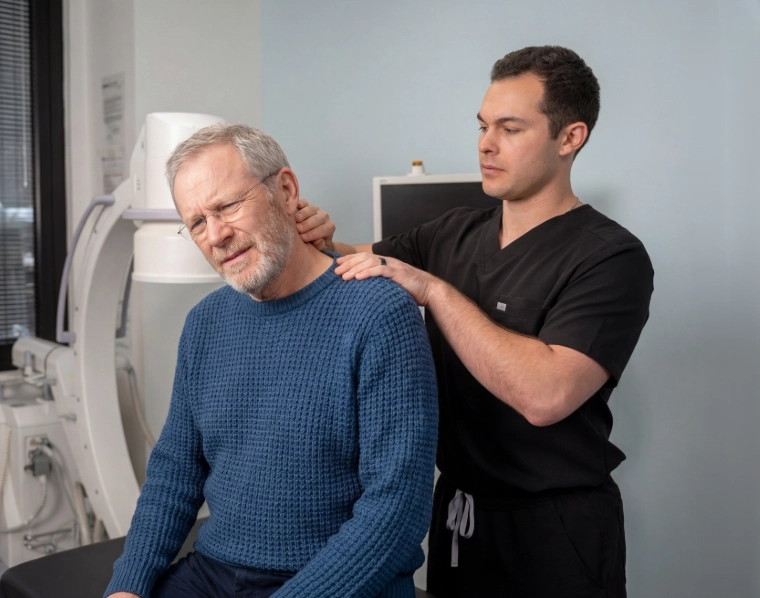
How Cervical Epidural Steroid Injection Works
When cervical discs herniate or the spinal canal narrows, the resulting nerve compression triggers inflammation in the cervical epidural space. This inflammation intensifies pain signals and can cause radiating pain into the shoulders, arms, and hands. Injecting corticosteroid directly into the cervical epidural space reduces this inflammation, relieves pressure on the affected nerve roots, and significantly decreases both neck pain and any radiating arm symptoms. A local anesthetic provides immediate comfort while the steroid builds its full effect over several days.
What Happens During Cervical Epidural Steroid Injection Sessions
You lie face down or on your side while your doctor uses fluoroscopic (live X-ray) guidance to carefully target the precise level of the cervical epidural space. After numbing the skin, a thin needle is directed into the epidural space and contrast dye confirms correct placement before the medication is delivered. The procedure takes 30 to 60 minutes and causes minimal discomfort. You can go home the same day and resume most normal activities within 24 hours.
FAQs
Will I feel anything during the cervical injection?
A local anesthetic numbs the area first. Most patients feel only mild pressure, and the procedure is well tolerated.
How soon will I notice relief in my neck and arm?
The anesthetic provides some same-day comfort, while the steroid's full anti-inflammatory effect typically builds over the first few days.
How soon can I return to normal activities?
Most patients go home the same day and resume normal activities within 24 hours.
To explore Cervical Epidural Steroid Injection as an option for your neck pain, consult with a board-certified pain specialist. At Pain Treatment Specialists, our Harvard-trained doctors are experienced in Cervical Epidural Steroid Injection and will develop a personalized plan based on your specific needs.
Cervical Medial Branch Block
An anesthetic is injected near the medial branch nerves of the cervical spine to diagnose and treat facet joint pain in the neck. This targeted block confirms whether the cervical facet joints are the source of your pain while providing immediate relief.
Efectiveness
Safety
Reviews
Procedure time
15-30 min
Recovery
Fast
Downtime
Zero
Likelihood of Insurance Coverage
HIGH
How Cervical Medial Branch Block Works
The medial branch nerves supply sensation to the cervical facet joints. When these joints become arthritic or injured from whiplash, they generate pain that may radiate into the head, neck, and shoulders. By injecting anesthetic adjacent to the medial branch nerves at the affected cervical levels, the pain pathway is temporarily interrupted. The amount and duration of relief provide diagnostic information that your physician can use, together with the clinical evaluation and payer requirements, to decide whether cervical radiofrequency ablation may be appropriate.
What Happens During Cervical Medial Branch Block Sessions
Your doctor uses fluoroscopic guidance to precisely locate the medial branch nerves at the relevant cervical levels. After numbing the skin, thin needles are advanced to each target and anesthetic is injected. The procedure takes 15 to 30 minutes with minimal discomfort. Pain relief is typically noticeable within minutes. You can resume normal activities right away after a brief observation period.
FAQs
Is this procedure safe for the neck area?
Fluoroscopic guidance supports accurate needle placement, and the procedure is performed by board-certified, Harvard-trained pain specialists. Your physician will discuss the expected benefits, risks, and alternatives for your situation.
How quickly will I feel relief?
Pain relief is typically noticeable within minutes of the injection as the anesthetic takes effect.
What happens after a successful block?
Your physician will evaluate the amount and duration of relief, clinical findings, and payer requirements before deciding whether cervical radiofrequency ablation may be appropriate.
To explore Cervical Medial Branch Block as an option for your neck pain, consult with a board-certified pain specialist. At Pain Treatment Specialists, our Harvard-trained doctors are experienced in Cervical Medial Branch Block and will develop a personalized plan based on your specific needs.
Cervical Radiofrequency Ablation
Controlled heat disables the cervical medial branch nerves responsible for transmitting facet joint pain in the neck. This provides long-lasting relief —often 6 to 12 months or more— for patients with chronic cervical facet joint pain who have responded well to a medial branch block.
Efectiveness
Safety
Reviews
Procedure time
30-60 min
Recovery
Fast
Downtime
Zero
Likelihood of Insurance Coverage
HIGH
How Cervical Radiofrequency Ablation Works
Once a cervical medial branch block confirms the facet joints as the pain source, RFA delivers radiofrequency energy through thin electrode needles positioned next to those same nerves. The controlled heat creates precise lesions that disrupt pain signal transmission without affecting the surrounding tissue or motor function. Relief sets in within days to weeks and typically lasts 6 to 12 months or longer. If pain returns as nerves regenerate, the procedure can be safely repeated for continued relief.
What Happens During Cervical Radiofrequency Ablation Sessions
The procedure is performed in an outpatient setting under local anesthesia and light sedation. Your doctor uses fluoroscopic guidance to precisely position electrode needles at the cervical medial branch nerve locations. Sensory and motor testing confirms correct placement before radiofrequency energy is applied. You may feel mild warmth during treatment. The procedure takes 30 to 60 minutes and most patients return to their normal routine within one to two days.
FAQs
How long does relief last after cervical RFA?
Most patients experience relief for 6 to 12 months. If pain returns, the procedure can be safely repeated.
Is RFA safe for the neck?
Yes. The procedure is performed under fluoroscopic guidance with sensory and motor testing to ensure precise placement and protect surrounding structure
How soon can I return to normal activities?
Most patients return to their normal routine within one to two days.
To explore Cervical Radiofrequency Ablation as an option for your neck pain, consult with a board-certified pain specialist. At Pain Treatment Specialists, our Harvard-trained doctors are experienced in Cervical Radiofrequency Ablation and will develop a personalized plan based on your specific needs.
Trigger Point Injection
Medication is injected directly into tight muscle knots in the neck and shoulder area that are generating pain and restricting movement. This provides rapid relief for muscle-related neck pain and often resolves headaches and referred pain patterns caused by these trigger points.
Efectiveness
Safety
Reviews
Procedure time
15-30 min
Recovery
Fast
Downtime
Zero
Likelihood of Insurance Coverage
HIGH
How Trigger Point Injection Works
Trigger points are tight, contracted bands within muscle tissue that fail to relax, generating localized pain and sometimes referring pain to distant areas. In the neck, trigger points in muscles such as the trapezius, levator scapulae, and sternocleidomastoid are common contributors to neck pain and tension headaches. Injecting a local anesthetic (and sometimes a corticosteroid) directly into the trigger point releases the contracted muscle fibers, reduces local inflammation, and breaks the cycle of muscle spasm and pain. Relief is typically felt immediately and can be sustained for weeks to months.
What Happens During Trigger Point Injection Sessions
Your doctor locates trigger points by palpating the neck and shoulder muscles to identify the taut bands causing discomfort. After cleaning the skin, a small needle is inserted directly into each trigger point and the medication is injected. You may feel a brief twitch or cramp as the needle reaches the knot — this indicates the muscle is releasing. The procedure takes 15 to 30 minutes depending on the number of trigger points treated. Most patients notice immediate relief and can return to their activities right away with no downtime.
FAQs
Is the injection painful?
Patients sometimes feel a brief twitch when the needle reaches the trigger point, which means the muscle is releasing. The procedure is fast and well tolerated.
How long does relief from trigger point injections last?
Relief is typically immediate and can last for several weeks to months. For recurring trigger points, a series of injections may be recommended.
How soon can I return to normal activities?
You can return to your activities right away. Many patients resume light activities the same day, but restrictions vary. Follow your clinician's instructions about driving, work, exercise, and other activities.
To explore Trigger Point Injection as an option for your neck pain, consult with a board-certified pain specialist. At Pain Treatment Specialists, our Harvard-trained doctors are experienced in Trigger Point Injection and will develop a personalized plan based on your specific needs.
Shoulder Pain

Causes
Shoulder pain is common and can significantly limit daily activities like reaching, lifting, and sleeping. The shoulder is the body's most mobile joint, which also makes it vulnerable to injury and wear. Pain can originate from the joint itself, the surrounding muscles and tendons (rotator cuff), bursae, or from nerves in the neck.
Risk factors include but are not limited to:
- Repetitive overhead motions (sports, manual labor, painting)
- Rotator cuff tears or tendinitis
- Shoulder bursitis
- Frozen shoulder (adhesive capsulitis)
- Osteoarthritis or rheumatoid arthritis
- Previous shoulder injury, dislocation, or surgery
- Poor posture or cervical spine problems
Symptoms
These include but are not limited to:
- Pain in the shoulder joint that worsens with movement
- Difficulty reaching overhead or behind the back
- Weakness when lifting or carrying objects
- Aching pain that radiates down the arm
- Stiffness and reduced range of motion
- Pain that disrupts sleep, especially when lying on the affected side
- Clicking, popping, or grinding sensation during movement
- Swelling or tenderness around the shoulder
- Minimally invasive
- Cutting edge
- Zero downtime
Shoulder pain treatments
Select the treatment you want to check
Shoulder Steroid
Injection
PRP Therapy
Hyaluronic Acid
Injection

Suprascapular
Nerve Block
Shoulder Steroid Injection
A corticosteroid is injected into the shoulder joint or surrounding bursa to reduce inflammation from rotator cuff injuries, bursitis, or arthritis. Fast, effective, and completely outpatient with no recovery time required.
Efectiveness
Safety
Reviews
Procedure time
15-30 min
Recovery
Fast
Downtime
Zero
Likelihood of Insurance Coverage
HIGH

How Shoulder Steroid Injection Works
Shoulder pain from bursitis, rotator cuff tendinitis, or arthritis involves inflammation in the joint or surrounding soft tissue structures. A corticosteroid injection delivers powerful anti-inflammatory medication directly to the affected area —whether the glenohumeral joint, subacromial bursa, or acromioclavicular joint. The steroid suppresses the inflammatory response, reduces swelling, and relieves pressure on sensitive structures within and around the shoulder. A local anesthetic in the injection provides immediate comfort while the steroid builds its sustained effect over several days.
What Happens During Shoulder Steroid Injection Sessions
Your doctor uses anatomical landmarks or ultrasound guidance to accurately locate the target structure within or around the shoulder. After cleaning and numbing the skin, a thin needle is directed to the precise location and the medication is injected. The procedure takes 15 to 30 minutes and involves minimal discomfort. You can resume your normal activities immediately with no recovery period required.
FAQs
Will I feel anything during the injection?
A local anesthetic is included in the injection, so most patients feel only mild pressure. The procedure takes just 15 to 30 minutes.
How quickly will I notice relief?
Many patients notice significant improvement within a few days as the steroid takes effect. Relief can last from several weeks to a few months.
How soon can I return to normal activities?
Many patients resume light activities the same day, but restrictions vary. Follow your clinician's instructions about driving, work, exercise, and other activities. Many patients resume light activities the same day, but restrictions vary. Follow your clinician's instructions about driving, work, exercise, and other activities
To explore Shoulder Steroid Injection as an option for your shoulder pain, consult with a board-certified pain specialist. At Pain Treatment Specialists, our Harvard-trained doctors are experienced in Shoulder Steroid Injection and will develop a personalized plan based on your specific needs.
PRP Therapy (Platelet-Rich Plasma)
Concentrated platelets from your own blood are injected into damaged shoulder tissue to stimulate natural healing. This biologic treatment is particularly effective for rotator cuff tendinitis, partial tears, and chronic shoulder conditions where regenerative healing is the goal.
Efectiveness
Safety
Reviews
Procedure time
30-60 min
Recovery
Fast
Downtime
Zero
Likelihood of Insurance Coverage
HIGH
How PRP Therapy Works
Platelets in your blood carry a concentrated supply of growth factors that drive tissue repair and regulate inflammation. In PRP therapy, a small blood sample is processed in a centrifuge to concentrate the platelet-rich layer, which is then injected into the damaged area of the shoulder. The platelets release growth factors involved in the body's repair response, but clinical benefit varies by shoulder condition. Because PRP is prepared from your own blood, immune reaction may be less likely, but risks such as infection, bleeding, pain, and injury to nearby tissue or nerves remain possible.
What Happens During PRP Therapy Sessions
The procedure begins with a blood draw from your arm. Your blood is placed in a centrifuge for 15 to 20 minutes to concentrate the platelets. Your doctor then uses ultrasound guidance to inject the prepared PRP precisely into the damaged shoulder tissue. The full appointment takes 30 to 60 minutes. Mild soreness at the injection site for a day or two is normal and expected. High-impact shoulder activity should be limited for 48 hours, after which results gradually improve over the following weeks as tissue heals.
FAQs
Is PRP therapy safe?
PRP is prepared from your own blood, which may reduce the likelihood of an immune reaction. It is not risk-free; possible risks include infection, bleeding, increased pain, and injury to nearby tissue or nerves.
How quickly will I notice improvement in my shoulder?
Results develop gradually over 4 to 8 weeks as your tissue heals. Many patients see continued improvement over several months.
How soon can I return to normal shoulder activity?
Light activities can resume the next day. High-impact shoulder activity is best avoided for 48 hours after the injection.
To explore PRP Therapy as an option for your shoulder pain, consult with a board-certified pain specialist. At Pain Treatment Specialists, our Harvard-trained doctors are experienced in PRP Therapy and will develop a personalized plan based on your specific needs.
Hyaluronic Acid Injection
Hyaluronic acid may be injected into the shoulder joint as a selective option for some patients with arthritis. Evidence and response vary, and the treatment does not reverse joint damage.
Efectiveness
Safety
Reviews
Procedure time
15-30 min
Recovery
Fast
Downtime
Zero
Likelihood of Insurance Coverage
HIGH
How Hyaluronic Acid Injection Works
Healthy shoulder joints are lubricated by synovial fluid containing hyaluronic acid, which reduces friction and absorbs impact during movement. In arthritic or worn shoulder joints, this fluid degrades and thins, allowing bone surfaces to grind against each other. Injecting hyaluronic acid adds a lubricant-like substance to the glenohumeral joint. Some patients may experience temporary improvement in pain or range of motion, while others may not benefit.
What Happens During Hyaluronic Acid Injection Sessions
Your doctor uses ultrasound or fluoroscopic guidance to ensure accurate placement within the shoulder joint. After cleaning and numbing the injection site, a thin needle is guided into the glenohumeral joint and the hyaluronic acid is injected. The procedure takes 15 to 30 minutes. You can resume normal daily activities the same day, though strenuous overhead activity is best avoided for 48 hours to allow the joint fluid to settle.
FAQs
How soon will I feel the effects of this injection?
Improvement typically builds gradually over several weeks. Many patients notice significant relief within 4 to 8 weeks after the injection.
Will I feel anything during the injection?
A local anesthetic is applied first, so most patients feel only mild pressure during the procedure.
How soon can I return to normal activities?
You can resume normal daily activities the same day. Strenuous overhead activity is best avoided for 48 hours.
To explore Hyaluronic Acid Injection as an option for your shoulder pain, consult with a board-certified pain specialist. At Pain Treatment Specialists, our Harvard-trained doctors are experienced in Hyaluronic Acid Injection and will develop a personalized plan based on your specific needs.
Suprascapular Nerve Block
An anesthetic is injected near the suprascapular nerve, which provides approximately 70 percent of the sensory input to the shoulder. This delivers significant, rapid relief for chronic shoulder pain and can serve as a diagnostic step before radiofrequency ablation for longer-lasting results.
Efectiveness
Safety
Reviews
Procedure time
15-30 min
Recovery
Fast
Downtime
Zero
Likelihood of Insurance Coverage
HIGH
How Suprascapular Nerve Block Works
The suprascapular nerve is the dominant sensory nerve of the shoulder joint, supplying the majority of the joint's pain sensation. By injecting anesthetic near this nerve where it passes through the suprascapular notch, pain signals from the shoulder to the brain are temporarily interrupted. Because such a large proportion of shoulder sensation travels through this single nerve, the block can produce dramatic and immediate pain relief. The response may help your physician determine whether a longer-acting radiofrequency procedure is appropriate. Nerves can regenerate and pain can return.
What Happens During Suprascapular Nerve Block Sessions
Your doctor uses ultrasound or fluoroscopic guidance to precisely locate the suprascapular nerve at the suprascapular notch. After cleaning and numbing the skin over the posterior shoulder, a thin needle is advanced to the nerve and anesthetic is injected. The procedure takes 15 to 30 minutes with minimal discomfort. Pain relief is typically felt within minutes. Many patients resume light activities the same day, but restrictions vary. Follow your clinician's instructions about driving, work, exercise, and other activities. with Many patients resume light activities the same day, but restrictions vary. Follow your clinician's instructions about driving, work, exercise, and other activities.
FAQs
How quickly will I feel relief after this injection?
Most patients notice significant shoulder pain relief within minutes of the injection.
Is the procedure painful?
A local anesthetic numbs the skin first, so most patients feel only mild pressure. The injection is fast and well tolerated.
How soon can I return to normal activities?
Many patients resume light activities the same day, but restrictions vary. Follow your clinician's instructions about driving, work, exercise, and other activities. Many patients resume light activities the same day, but restrictions vary. Follow your clinician's instructions about driving, work, exercise, and other activities.
To explore Suprascapular Nerve Block as an option for your shoulder pain, consult with a board-certified pain specialist. At Pain Treatment Specialists, our Harvard-trained doctors are experienced in Suprascapular Nerve Block and will develop a personalized plan based on your specific needs.
Joint Pain

Causes
Joint pain can affect any joint in the body, including the hands, wrists, elbows, ankles, and feet. It is most commonly caused by osteoarthritis —the gradual breakdown of cartilage that cushions the ends of bones— but can also result from rheumatoid arthritis, gout, bursitis, tendinitis, or injury.
Risk factors include but are not limited to:
- Older age and natural cartilage wear
- Osteoarthritis, rheumatoid arthritis, or gout
- Previous joint injury or trauma
- Overweight or obesity, which increases joint stress
- Repetitive motions from work or sports
- Family history of joint disease
- Autoimmune conditions
Symptoms
These include but are not limited to:
- Pain, tenderness, or aching in one or more joints
- Swelling, warmth, or redness around the affected joint
- Stiffness, especially in the morning or after inactivity
- Reduced range of motion
- Grinding, clicking, or cracking sounds with movement
- Weakness or instability in the joint
- Pain that worsens with activity and improves with rest
- Difficulty performing everyday tasks (gripping, walking, climbing)
- Minimally invasive
- Cutting edge
- Zero downtime
Joint pain treatments
Select the treatment you want to check

Hyaluronic
Acid Injection
Steroid
Injection
PRP Therapy
Genicular
Nerve RFA

Physical
Therapy
Hyaluronic Acid Injection (Viscosupplementation)
A gel-like substance that supplements joint fluid and may provide temporary symptom relief for selected patients with osteoarthritis. Evidence, guideline recommendations, and response differ by joint.
Efectiveness
Safety
Reviews
Procedure time
15-30 min
Recovery
Fast
Downtime
Zero
Likelihood of Insurance Coverage
HIGH

How Hyaluronic Acid Injection Works
In healthy joints, synovial fluid contains naturally occurring hyaluronic acid that lubricates bone surfaces and absorbs mechanical stress. Osteoarthritis degrades this fluid, reducing its protective function and causing pain from increased friction. Injecting hyaluronic acid adds a lubricant-like substance to the joint. Some patients may experience temporary symptom relief, but it does not reverse or prevent joint damage. Because it works mechanically rather than through systemic medication, it is appropriate for patients who cannot tolerate oral anti-inflammatory drugs.
What Happens During Hyaluronic Acid Injection Sessions
Your doctor uses imaging guidance or palpation to accurately target the affected joint. After cleaning and numbing the skin, a thin needle is guided into the joint space and the hyaluronic acid gel is injected. If excess fluid is present in the joint, it may be removed first. The procedure takes 15 to 30 minutes. You can resume normal activities the same day. Depending on the product, you may receive a single injection or a series of three to five weekly injections for optimal results.
FAQs
How soon will I feel the effects?
Improvement builds gradually, with most patients noticing meaningful relief within 4 to 8 weeks. Results can last up to 6 months or longer.
How many injections will I need?
Depending on the product, you may receive one injection or a series over 3 to 5 weeks. Your doctor will recommend the best approach for your joint and condition.
How soon can I return to normal activities?
You can resume normal activities the same day. High-impact activity is best avoided for 48 hours after each injection.
To explore Hyaluronic Acid Injection as an option for your joint pain, consult with a board-certified pain specialist. At Pain Treatment Specialists, our Harvard-trained doctors are experienced in Hyaluronic Acid Injection and will develop a personalized plan based on your specific needs.
Steroid Injection (Corticosteroid)
A powerful anti-inflammatory steroid is injected directly into the affected joint for rapid relief from arthritis, bursitis, and joint inflammation. One of the most established and widely used treatments in pain management, with fast results and zero recovery time.
Efectiveness
Safety
Reviews
Procedure time
15-30 min
Recovery
Fast
Downtime
Zero
Likelihood of Insurance Coverage
HIGH
How Steroid Injection Works
Joint inflammation —whether from osteoarthritis, rheumatoid arthritis, bursitis, or injury— is driven by the release of inflammatory chemicals within the joint space. A corticosteroid injected directly into the joint capsule suppresses this inflammatory cascade at the source. The steroid reduces swelling of the joint lining, decreases production of inflammatory mediators, and relieves pressure on pain-sensitive structures within the joint. A local anesthetic included in the injection provides immediate comfort while the steroid's full anti-inflammatory effect develops over several days. Relief typically lasts weeks to months.
What Happens During Steroid Injection Sessions
Your doctor uses palpation or imaging guidance to target the affected joint. After cleaning the skin and applying a local anesthetic, a thin needle is inserted into the joint space and the medication is delivered. Excess joint fluid may be drained before the injection if swelling is present. The procedure takes 15 to 30 minutes and is well tolerated. You can resume normal activities the same day with no recovery period required.
FAQs
Will I feel anything during the injection?
A local anesthetic numbs the area first. Most patients feel only mild pressure during the short procedure.
How quickly will I notice relief?
Many patients notice significant improvement within one to two days as the steroid takes effect. Relief can last from several weeks to a few months.
How soon can I return to normal activities?
You can resume normal activities the same day. Many patients resume light activities the same day, but restrictions vary. Follow your clinician's instructions about driving, work, exercise, and other activities.
To explore Steroid Injection as an option for your joint pain, consult with a board-certified pain specialist. At Pain Treatment Specialists, our Harvard-trained doctors are experienced in Steroid Injection and will develop a personalized plan based on your specific needs.
PRP Therapy (Platelet-Rich Plasma)
Concentrated platelets from your blood are injected into damaged joint tissue to promote natural healing and reduce chronic inflammation. A regenerative approach that addresses the underlying tissue damage rather than simply masking symptoms.
Efectiveness
Safety
Reviews
Procedure time
30-60 min
Recovery
Fast
Downtime
Zero
Likelihood of Insurance Coverage
HIGH
How PRP Therapy Works
Platelets carry growth factors that are essential to the body's natural repair processes. By concentrating these platelets from your own blood and injecting them directly into damaged joint tissue, PRP therapy delivers a high dose of healing signals precisely where they are needed. The platelets release growth factors involved in the body's repair response, but PRP has not been established as regenerating cartilage or slowing joint degeneration. Using your own blood may reduce the likelihood of an immune reaction, but PRP is not risk-free and may cause infection, bleeding, pain, or injury to nearby tissue or nerves.
What Happens During PRP Therapy Sessions
The visit begins with a blood draw from your arm. The sample is processed in a centrifuge for approximately 15 to 20 minutes to isolate the platelet-rich layer. Your doctor then uses imaging guidance to inject the PRP precisely into the affected joint or tissue. The full appointment takes 30 to 60 minutes. Mild soreness at the injection site is normal for one to two days. Results develop gradually over the following weeks as the body's healing process takes effect.
FAQs
Is PRP therapy safe for joint conditions?
PRP is prepared from your own blood, which may reduce the likelihood of an immune reaction. It is not risk-free; possible risks include infection, bleeding, increased pain, and injury to nearby tissue or nerves.
How quickly will I notice improvement?
Results develop gradually over 4 to 8 weeks as the healing process takes effect. Many patients see continued improvement over several months.
How many PRP sessions will I need?
Most patients benefit from one to three sessions. Your doctor will recommend the best plan based on your condition and how you respond.
To explore PRP Therapy as an option for your joint pain, consult with a board-certified pain specialist. At Pain Treatment Specialists, our Harvard-trained doctors are experienced in PRP Therapy and will develop a personalized plan based on your specific needs.
Genicular Nerve RFA
A heat-based procedure that disables the sensory nerves carrying pain signals from the affected joint. By targeting the pain pathway at the nerve level, this treatment provides long-lasting relief for chronic joint pain that has been confirmed by a diagnostic nerve block.
Efectiveness
Safety
Reviews
Procedure time
30-60 min
Recovery
Fast
Downtime
Zero
Likelihood of Insurance Coverage
HIGH
How Genicular Nerve RFA Works
The sensory nerves supplying any joint transmit ongoing pain signals to the brain, even after the underlying inflammation is treated. Radiofrequency ablation uses controlled heat to create precise lesions on these nerves, disrupting their ability to transmit pain without affecting motor function or the structures needed for joint movement. Following a positive diagnostic nerve block that confirms nerve-mediated joint pain, RFA extends that relief dramatically, with results typically lasting 6 to 12 months or longer. The procedure can be repeated as needed.
What Happens During Genicular Nerve RFA Sessions
The procedure is performed in an outpatient setting under local anesthesia and light sedation. Fluoroscopic or ultrasound guidance is used to position thin electrode needles precisely adjacent to the targeted sensory nerves. Sensory and motor testing confirms accurate placement before radiofrequency energy is applied. You may experience mild warmth during treatment. The full procedure takes 30 to 60 minutes and most patients return to normal activity within one to two days.
FAQs
How long does relief last after genicular nerve RFA?
Most patients experience relief for 6 to 12 months. The procedure can be safely repeated if pain returns.
Will the procedure affect joint movement?
No. RFA targets only sensory nerves and does not affect the motor nerves or muscles needed for joint movement.
How soon can I return to normal activities?
Most patients return to normal activity within one to two days.
To explore Genicular Nerve RFA as an option for your joint pain, consult with a board-certified pain specialist. At Pain Treatment Specialists, our Harvard-trained doctors are experienced in Genicular Nerve RFA and will develop a personalized plan based on your specific needs.
Physical Therapy
A structured, progressive exercise program designed to strengthen the muscles surrounding the joint, improve range of motion, and reduce pain through movement. Physical therapy addresses both immediate pain relief and long-term joint health by building the support structures the joint depends on.
Efectiveness
Safety
Reviews
Procedure time
Ongoing
Recovery
Fast
Downtime
Zero
Likelihood of Insurance Coverage
HIGH
How Physical Therapy Works
Weak or imbalanced muscles around an arthritic joint place excess mechanical stress on the joint surfaces, accelerating wear and amplifying pain. Physical therapy corrects this by progressively strengthening the muscles, tendons, and ligaments that support and stabilize the joint. Improved muscle support reduces the load on the joint itself, decreasing pain with activity. Therapists also address flexibility deficits, gait abnormalities, and movement patterns that contribute to joint overload. Over time, a consistent physical therapy program can significantly reduce pain, improve function, and reduce the frequency of flare-ups.
What Happens During Physical Therapy Sessions
Your first session includes a thorough evaluation of your joint function, strength, flexibility, and movement patterns. Your therapist creates a personalized plan targeting your specific deficits. Sessions typically involve a combination of guided exercises, manual therapy, stretching, and education about joint protection strategies. Exercises are progressively advanced as strength and function improve. Home exercise programs are provided so progress continues between clinic visits. Most patients attend sessions two to three times per week for several weeks, with ongoing home maintenance thereafter.
FAQs
How soon will physical therapy start helping my pain?
Many patients notice gradual improvement within the first few weeks of consistent sessions, with the greatest gains building over 6 to 12 weeks.
Is physical therapy hard if I am already in pain?
Your therapist designs a program specifically for your current level, starting gently and progressing at a pace that is comfortable for you.
Do I need to continue exercises at home?
Yes. Home exercises are an important part of the program and help you maintain and build on the progress made during clinic sessions.
To explore Physical Therapy as an option for your joint pain, consult with a board-certified pain specialist. At Pain Treatment Specialists, our Harvard-trained doctors are experienced in Physical Therapy and will develop a personalized plan based on your specific needs.
No matter your condition, our doctors
can help you experience relief today!
Let our doctors customize your treatment plan
Finding relief is as simple as filling this quick form below:

Thank you, your request has been submitted
One of our team members will reach out to you shortly
If you'd prefer immediate assistance, call us directly: (844) 297-2300
